-
A New (Year) Hope
I don’t really do New Year’s resolutions because I think we all put enough pressure on ourselves all of the time to constantly do more and be better. However I did think that if I was going to have a New Year’s resolution it should probably be to start engaging more on LinkedIn – so I’m trying out another blog.
Last year seemed to go in a whirlwind. I took on quite a bit more in my portfolio so I now have Executive responsibility for Estate’s and Facilities, Health and Safety and Digital but now also Improvement, Transformation and Health Inequalities. It’s been an amazing experience so far because the teams are great and there are lots of opportunities for overlap and alignment across the portfolio. At the same time at home the kids seem to be growing exponentially in size and maturity – my babies have officially gone! Very nearly 8 and 10 and my youngest just insisted on a new mullet hair cut which is very cool. I am no longer the curator of their style and I do love their independence developing. I am not nearly so much loving the constant debate over screen time – what their friends are allowed to watch and play compared to them for how long.
I’ve enjoyed the cold so far in January but I do find this time of year quite hard. There is so much build up to Christmas and then all of a sudden it’s done, I’ve stuffed myself with too much stuffing and chocolates, the house looks simultaneously bare and messy, I’ve not done enough proper exercise and I’ve definitely not had enough sunshine so I don’t feel my best. To keep myself focussed and positive I like to think about the good things to come in the New Year and what I want to achieve so I wanted to reflect on that.
There’s lots of talk in the NHS as we all know about the three shifts to care in the community, prevention and digitisation. It’s been great in the last couple of months spending time visiting and listening to our community teams. We wanted to understand the reality for them, think about how we could support them to improve and consider where we could have the biggest impact investing in the community which we know is absolutely the right thing to do for our service users.
We’ve heard from our community teams about the challenges in managing such varied caseloads. Our teams are working with primary care and neighbourhood partners but also caring for people with higher acuity and leaning in to support inpatients and crisis care. We’ve had conversations about how we can use improvement to define standard work, improve our pathways and use our data to understand different levels of acuity and social needs in different communities. We’ve also talked about how we might think differently about our Estate and whether we are where people need us to be.
Teams are spending far less time patient facing than they would like to and the digital systems and processes are not always making it easy for people – how do we use digital solutions to release time to care, make it easier for people every day to do the work they love and reduce the wasted time? How do we support teams to do their jobs and improve their jobs when there are real challenges with sickness and service pressures?
No easy answers, but we love a challenge and lots of exciting things to come in this space this year – not just in community but across the Trust. A few of the main things I’m looking forward to:
- Ramping up our Improvement approach LSCi – focussing on empowering frontline teams, increasing value and reducing waste
- Implementing the new Complex Emotional Needs pathway, scaling up the Patient First Pathway work to embed Royal College Standards and reduce waste and continuing the improvement focus on co-occurring diagnosis
- Beginning new work on the remaining key pathways including psychosis
- Continuing RIO recharged – our EPR optimisation – aligned to clinical pathway development and rolling out ambient and our virtual assistant after successful testing
- Delivering on our Estates review including ensuring improved clinic spaces and neighbourhood integrated health hubs
- Going further with our Health Inequalities plan – aligning to our developing approach to neighbourhood delivery and digital interoperability
- Expanding on our joint digital and estates work in living labs
I have learnt over the years that my relentless positivity can be seen by some as lack of realism but I continue to believe in the power of positivity as long as we’re always learning. Even If we don’t get all of the way we have to set ourselves ambitious goals because we have to be ambitious for our people – our colleagues, our service users, our communities. We often talk in improvement about needing a ‘burning platform’ – an understanding that things are bad enough to give us a sense of urgency and shared purpose. It struck me though when our Chairman David Fillingham, talked instead about a ‘burning ambition’. I definitely feel that burning ambition, an ambition to do more with less, to not give up, to continue to believe that it’s possible – if we think differently, we collaborate, get the basics right and innovate and use our data. And finally if we’re led by an improvement approach that tells us that the answers lie with the teams themselves – the people close to the work must lead the way – our service users, our colleagues, our communities. So I’m starting the year with positivity, ambition and hope!

Picture of a beautiful sunrise I was very lucky to see in North Wales recently, taken by my son
-
We All Have Wings…
Hello! I haven’t written a blog for ages and people keep asking me if I’m ok as I’ve seemingly disappeared off LinkedIn and X so I thought I’d take the opportunity of it being International Women’s Day to say a few things I’ve been thinking about for a while and share a few thoughts on my new role.
I’ve been reflecting that often when people said they’d read my blog they would also say – and women in particular – ‘I should really do something like that’. It struck me how we compare ourselves to one another, but we only ever really see people at their absolute best on these platforms. So I wanted to say that I haven’t been doing my blog as I’ve been super busy in my new job – which I love – spending all my extra energy meeting lots of amazing people – staff and service users and getting to know my new teams. I’ve also been finishing my loft conversion at home – I spent the first two months of my new job sleeping on an airbed in the front room which regularly deflated in the night!
So I just haven’t had the head space for social media and that’s fine. We put ourselves under so much pressure but we’re all doing amazing just to get up, sort the house, get the kids out (if you have them or other caring responsibilities), put our all In to our days work, listen and be kind to one another, do the washing, get the kids to do their homework, make tea, sort the house and round again! Oh and don’t forget to eat healthily, exercise and make the right choices for the environment! So here’s celebrating all the women and everyone who is giving it their all every day. We all have wings – whether we have time to tell everyone about it or not.
I love that phrase – we all have wings. I found a poem with that title at Manchester Museum where we went recently. It spoke to me about the potential we all have to thrive if we have the right support and the right environment and that’s what our job is at LSCft I think – for our service users and our staff.
A Busy Six Months
I’ve been in my new job for six months as Chief Digital and Infrastructure officer at LSCft. That means I have executive responsibility for digital and estates. We’re a mental health, learning disability and autism trust and a large provider of physical health community services for the population of Lancashire and south Cumbria.
It’s been a tough six months, I’ve learnt loads and it’s been a privilege to get to meet so many amazing people whilst out getting to understand the organisation better and observe care. From really committed and kind staff to service users who have been really open with me about how we could improve our services. It’s been fascinating to hear how much service users talk about their environment, and it shows what a huge difference we can make through our plans in estates.
I am so lucky to have brilliant teams who are so committed to the organisation and I’m excited to be part of an Exec and Board team who have a genuine focus on values, to listening and creating an environment where people can speak up, and who have the drive and ambition to do the best we can for our people.
Since I’ve been in role we’ve opened a new inpatient unit, rolled out Multi Factorial Authentication, focussed a lot on improving safety in particular fire safety, started to build partnerships that will enable digital innovation and launched the digital ideas drop to provide an open space for all staff to talk about digital ideas. By the end of March we will have procured a new data centre, a new cloud data warehouse and a new community physical health EPR and progressed our plans for better use of our Estate focussed on our communities. It’s going to be a busy year! We have plans to make sure we get the basics right, get our infrastructure up to scratch and enable us to maximise the potential of our estate and digital systems through co design with service users and staff. All aligned to our new quadruple aim strategy with a clear focus on improving safety.
Deeds Not Words

I’ll end with some final reflections linked to International Women’s Day. My 6-year-old son said to me the other day – ‘deeds not words mummy, deeds not words’. He’s been learning about Emmeline Pankhurst at school which I was delighted about. Without women like her who dared not just to speak out but to take action against the patriarchy we would not be where we are today.
I thought about this again when we had a talk recently from Dr Hannah Barham-Brown, a GP who speaks on Equality, Diversity and Inclusion. She talked about the small actions we can take to support one another, particularly those in marginalised groups and how those small actions can make a difference.
I wanted to just share a moment that happened to me at work that has made such a positive difference to how I feel as a working parent. We have a big campaign at LSCft about flexible working and I try to always be vocal about having caring commitments so that others feel ok about it too but I’ll admit quietly I still feel a bit bad sometimes leaving a meeting after 5 where everyone else seems to be able to stay, especially in a new role. There was one occasion where I had to leave an exec meeting at ten past 5 so I could make it back in time for the after school pick up. I apologised a few times and made my way. The next day I had my one to one with my boss Chris Oliver, our CEO, and he started by saying – ‘Listen – please don’t ever apologise or feel bad for having to pick your kids up’. This totally took me by surprise, but I can’t tell you how much that meant to me and how much better that has made me feel when I have to leave to pick the kids up. I feel so well supported as a working parent.
So have a think – what small action you could take that might make a huge difference to someone you work with.
Well this blog has been words but I am determined that my actions in my new role, working with my teams, will help keep service users and staff safer, deliver the best therapeutic environments, maximise the potential of technology and data to understand the needs of our communities and deliver the services our populations deserve centred around their needs.
Until next time….
This blog is written in my own personal time and represents my personal views
-
As one chapter closes…my reflections on the Ambulance Service
Firstly apologies for the delay – I haven’t done a blog for a few months, I got too busy at work and at home and had to let a few things go which did not come easily to me but was necessary. To save time I did consider getting ChatGPT to write this for me as it seems to the be the trendy thing to do but in the end I decided against it …….or did I????? I guess we’ll never know…
Since my last blog I’ve been to Disney Land, had a near miss accident where a jet ski crashed in to my car (final destination!), my Grandad passed away peacefully, I got a new job and had to tell everyone I was leaving which was hard, started a loft conversion (huge mess), my youngest Fred lost his first tooth (thankfully the tooth fairy remembered), I got elected to the CIO advisory panel as vice chair which is exciting and we won a HSJ award for SMART sites (well done Matt and team!). And so life continues…
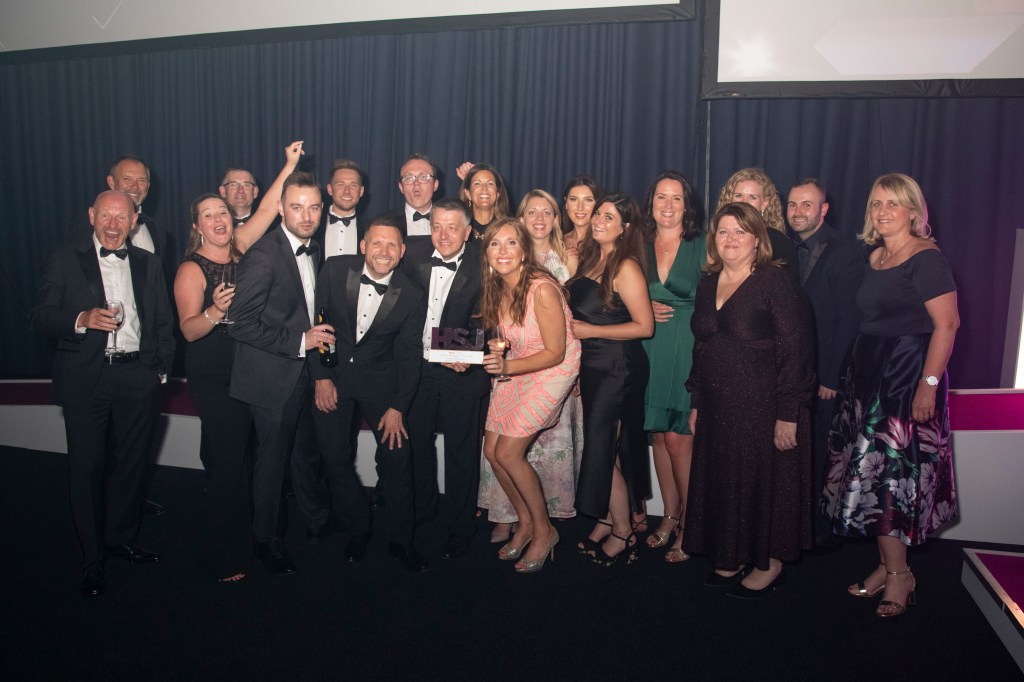
I have less than 2 working weeks left at NWAS and I wanted to write now about my reflections on the ambulance service which I have had the privilege to work for for the last 4 years before I start my new chapter at Lancashire and South Cumbria NHS Foundation Trust in September.
Our purpose at NWAS is ‘to be there when people need us most’. And I guess for any of us working in or with the NHS that’s why we do it – to help people, to save lives, to improve the health of our communities. But there is something about urgent and emergency care which means you literally are there – always, within seconds – when people need you. I wrote previously about my own experience and those times when 111 and 999 are the services always there to pick up the phone in our times of need whenever that may be.
But the ambulance service is much more than answering the phone quickly and sending out ambulances – it is both a gateway to the urgent and emergency care system at large and our resilience and readiness to respond to major incidents and protect our public not forgetting in addition the Patient Transport Service who provide vital support for vulnerable patients who would not otherwise be able to travel to get the care they need.
What opportunities does your ambulance service bring?
I recently did a presentation on the national CIO call in the ICS slot about this. In the North West our regional colleagues have helped us position ourselves as a system recognising both the complexities and opportunities that come from our scale across 4 ICBs. So what are these opportunities? Well here are my thoughts – based on my experience and from a largely digital point of view.
Shared Care Records: I remember in my interview talking about how, in theory, we should be able to influence across the North West due to our size and the biggest opportunity for this has been shared care records. Your ambulance service is a great use case for the federation of shared care records across ICBs. In the North West we are part way through a piece of work to connect our shared care records through PRISM (Pan Regional Information Sharing mechanism). The technical work is done and we are now moving on to live information sharing. This will provide NWAS with a single point of access to all of the shared care records in the North West and enable us to share information back out in to the system ranging from real time information for Emergency Departments to notifications to GPs when we’ve seen their patients. Although NWAS is a big use case PRISM will be able to be used far beyond us, for specialist trusts and providers who treat patients across borders.
System Referrals and Intelligence: 111 is truly an exemplar of what is possible in terms of referral capability and we have a fantastic team of innovators in our 111 service leading the way nationally. On calling 111 the team can access your GP record and do anything from ordering a repeat prescription to booking an appointment with an appropriate service ranging from GPs to Mental Health and other services through to an appointment at an Emergency Department. This happens digitally using the Directory of Service (DOS). I’ve been so proud of the work our DOS team have done to develop this service now implemented in 999 also. They have really led the way and we are now the test site for the new national Booking and Referral Standard (BARs). There is huge opportunity for us to use the information we have in 111 to understand the patients journey through the healthcare system.
Resilience: I’ve said before in my blogs that I think there is a lot the wider NHS can learn from the ambulance service about resilience. Both in terms of readiness to respond to a major incident but also in understanding what a resilient digital infrastructure looks like. As a Category One Responder under the national Civil Contingencies Act there is a requirement to run a fully resilient service. This means we have a fully resilient set up enabling failover across multiple sites, multiple backup solutions ready to fail back to and advanced capabilities nationally to pass calls within seconds across to another service if one service is down. With the possibility of cyber incidents increasingly likely and the increased focus on telephony access in primary care and other services such as Mental Health there is definitely potential to collaborate with and learn from the ambulance service.
Collaboration on Innovation: Our focus at NWAS has been on building partnerships to support small scale testing with a focus on rapid scale up. At NWAS we have a number of pilots underway in collaboration with NHS partners, industry and academia with a focus on scale up built in to the evaluation. Ranging from point of care testing, drones, AI to SMART patient centred ambulances. It is worth noting also that there are only 13 ambulance services in the UK providing a great opportunity for more manageable scaling of new ideas. This is something the ambulance services themselves are working on through the National Ambulance Innovation Forum (sub group of AACE) which I’ve thoroughly enjoyed chairing.
These are just a few of my reflections and there is so much more I could say but I guess they’re my top tips for how you might think differently about your ambulance service.
Over the last 4 years I’ve been able to support the digital teams in collaboration with other directorates, clinicians, patients and industry to transform our digital infrastructure (see previous blog: level up but reach for the moon). Some of this has taken time, there are still some basic things to finish (digitising HR processes for example will continue) and innovations that need more testing and development. In the next few weeks all frontline crews will have the new EPR (phase 2) on their Personal issue iPad with access to the GP record and the new SMART tech on stations. The architecture we’ve developed over the years to enable safe access to our critical systems remotely will enable our new clinical model as part of the Urgent and Emergency Care recovery. I look forward to hearing about the significant time saved when we get digital referrals from scene in place (don’t take no for an answer Jay!), how we’ll use the algorithm (once refined) that we’ve developed that can predict the outcome of a call and support risk stratification, how virtual reality training could support our readiness for major incidents, and I know we have the people, the partnerships and the belief to get these things over the line.
I have absolutely loved my time at NWAS. I’ve made good friends and worked with so many inspirational, dedicated and talented people across the trust. I am more proud that I can express of the digital teams I’ve had the pleasure of supporting over the last 4 years. Every single one of them is there to make a difference for patients and staff. It’s been a relentless 4 years, not least due to my constant pushing for us to improve things, but the digital teams have never said no, have always found a way, they’ve kept us safe and shown me what is possible and have achieved outstanding results. It’s been an absolute honour and I will truly miss you all.
And so as one chapter closes another begins – I’ve already met some fantastic people from LSCft and can’t wait to get stuck in in my new role as Chief Digital and Infrastructure Officer. Watch this space to see how I get on!
So long….
-
Level up but reach for the moon…
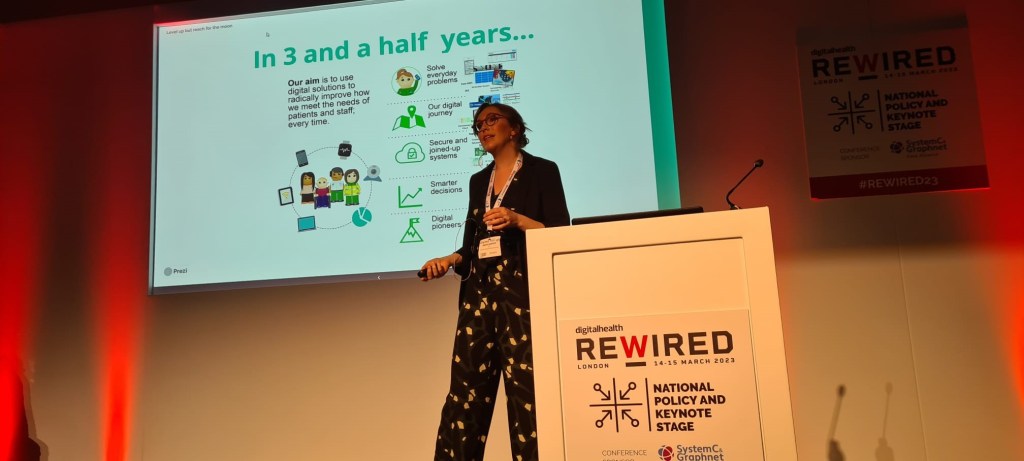
After 3 and a half years with my head down focussed on the task at hand, I decided it was time to start to share our story. Instead of my usual blog I thought I’d share the script from the presentation I gave on the keynote / policy stage at Digital Health Rewired conference recently. The theme I was asked to talk about was ‘levelling up in a time of austerity’ and I talked about how we’d not only levelled up but also established ourselves as innovators. I could have talked all day but only had 7 minutes hence needed to script it!
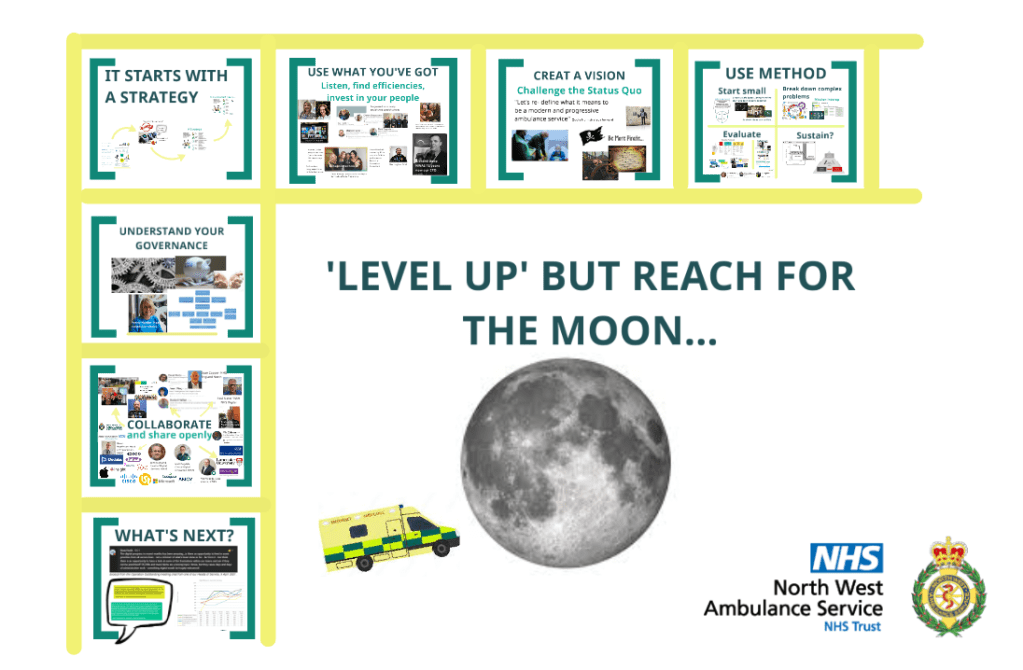
I’ve also shared the link to the prezi so you can see the visuals. You’ll see lots of pictures of the team and people who have helped along the way. I would have loved to put everyone in there but it was mostly about what pictures I had to hand so please know if you’re not in there you’re just as important a part of the team and the journey we’ve been on.
https://prezi.com/view/wY6CUZcME3opJxPSubEd/
And so it began…
I’m going to talk about how at the North West Ambulance Service in four years we have gone from being negative outliers on a journey to rapidly increase our digital maturity, meet minimum standards but also create the conditions for innovation and improvement that have enabled digital transformation at pace – how we have ‘levelled’ up but in doing so reached for the moon.
I’ve worked in the NHS for over two decades specialising in improvement and innovation and I got frustrated at how difficult change seemed to be when technology was involved. Surely, I thought digital, data and technology are the key enablers to so much we want to achieve – the potential disrupters to enable us to leap to a different future– but somehow the leap often wasn’t happening, we seemed constrained by lack of investment, skills, bureaucracy, governance and I wanted to figure out how to unlock digital transformation.
I’ve been the CIO at NWAS for 3 and a half years now. When I started we were in a difficult position – our telephony was about to fall off a cliff (which is your number 1 concern as an ambulance service!) we had lots of unsupported systems, no EPR, infrastructure that needed replacing, lack of alignment with other departments and a brilliant but stressed team who were known for saying ‘no, you can’t do that’ and actually they were right, we weren’t really safe to do anything. We had lots of alarming reports telling us how bad things were and the Board were worried.
Our digital strategy had been published just before I started, we didn’t have any huge investment, we weren’t a digital exemplar, but we were clear that we wanted to get the basics right and strive for innovation and excellence.
What did we achieve?
I’m going to focus on ‘how’ rather than ‘what’ we did, but in short in 4 years we have replaced and upgraded pretty much our entire infrastructure (including the telephony thank goodness!), rolled out new devices, new critical systems, our first EPR, significantly increased cyber security and resilience, hugely improved access to data and have also established ourselves as leaders of innovation in the ambulance sector and beyond.
We now have lots of lovely audits giving us (mostly) substantial assurance, about half way through we did a maturity assessment against other ambulance services which showed how we’ve significantly improved our position and we have a suite of digital measures that we track over time that show our progress.
I want to be clear that this required funding and we have worked our socks off to get as much of the funding available nationally as we could get but we also did a lot for free using the budget we had, the people we had and through partnerships – so given the focus of this session on austerity I’m going to consider how we used what we had.
Use what you’ve got – listen, find efficiencies and invest in your people
You can pay a fortune for external reviews and reports but I’m very confident that if you listen carefully your teams will be able to tell you exactly what the problems are and what the solutions are and this was my first and most important step.
Next we made friends with and worked hard with finance. Digital budgets are complex and through a lot of hard work three years in a row we’ve been able to find efficiencies in the non pay and use it to invest in new roles and progression and we still managed some significant CIP.
We worked hard to invest in the people we had – and not just progression opportunities but making sure that people are doing the work they actually want to do. We asked people to come forward for training and development. We worked to find the clinical staff who wanted to work with us in the digital space and created our network of digital champions.
We did bring a small number of new people with specialist skills in, but many of the key people that have led this change were already here – including our now CTO Richard Done who had been at NWAS 15 years when I started as the trust continuously tried to externally recruit a CTO. All we needed to do was listen to and create the right conditions for the people we already had to thrive.
Create a vision and challenge the status quo
Levelling up is a not a very sexy goal and it’s not a term I like – our strategy set out a clear vision to maximise technology in a way that was exciting and our focus is on staff and patients – this isn’t about technology for us this is about saving lives.
We are also pretty open about wanting to disrupt the status quo and you may have seen my deputy Jonny Sammut last year talking about being more pirate which is a key part of our ethos.
Use method
Method is really important for us. We started with some simple improvement methods to enable testing, creating space for failure and learning. We created a digital design forum where any staff member can bring a problem or an idea and we’ll find a way to test a solution, all the right digital people are there, cyber, IG, CTO etc and we made an agreement (which remains uncomfortable to this day) with our exec that we would have space for innovation ‘on the edge’ and that we would not ask for permission to do every single small scale test as long as it was safe.
We built skills in agile that have helped us tackle our big complex challenges like interoperability. We’ve progressed now our understanding, learning from our mistakes where we need more focus on quality processes and control to sustain change. You can’t innovate from a broken process and then walk away and expect it to sustain. We have also developed in house skills in evaluation and have worked to understand the capability of our staff through our digital capability survey. We’re now working hard to formalise the process whereby innovations once tested progress in to the formal project / scale up processes.
Use your Governance Processes
Governance is there to keep us safe and it can sometimes make change and innovation feel difficult – but it can be opposite if you really get close to how it works in your organisation, make friends with your corporate affairs team, use your Board Assurance Framework to make sure the board understand and own your risks.
Collaborate
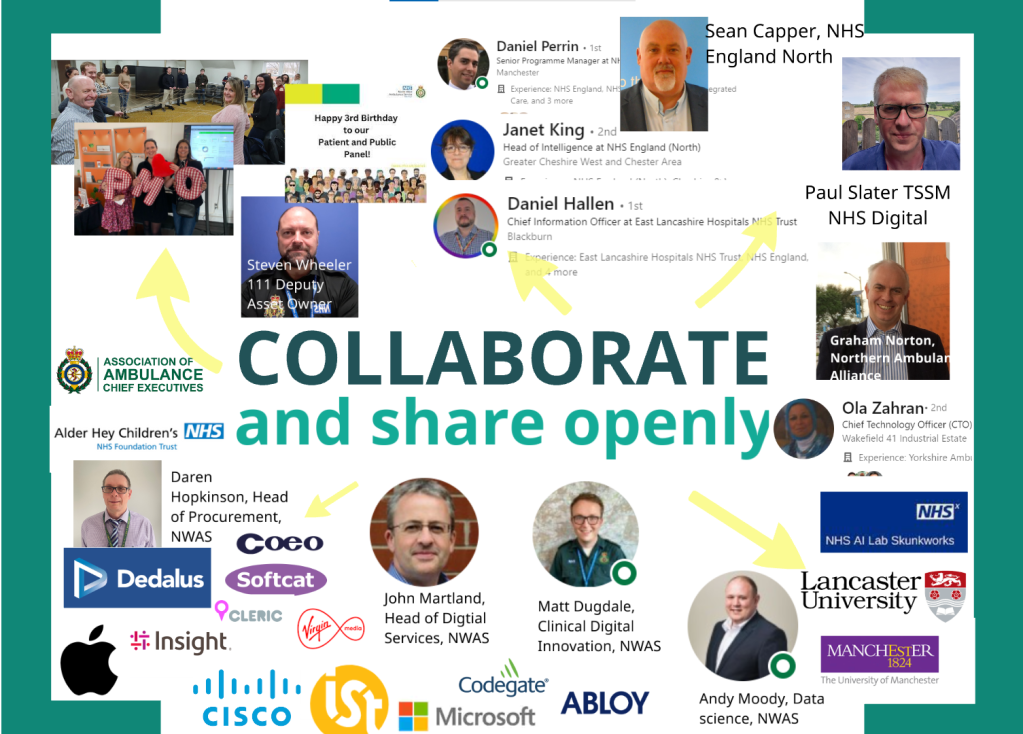
I’m really proud of collaborative approach – the work we’ve done with our PMO who are so supportive, work around asset ownership with the clinical teams. Externally we’ve positioned our goals aligned to others who have the skills, expertise, experience and capacity we need with whatever we can offer in return – from programmes being run by the region aligned to our goals around interoperability, training and support from national bodies such as TSSM / NHS Digital, our partnerships with the Northern Ambulance alliance, partnerships with universities to support our evaluations, interns and placements for data science and partnerships with suppliers. We have a few people in the team who are really good at working with suppliers – you can get so much more from suppliers – free training and consultancy, working together to develop new solutions – if you work together as partners. Make sure you have your procurement team involved too!
To the moon…
We’ve done a lot in 4 years and I would say we have ‘levelled up’ although there are still plenty of basics to get right and lots more we need to do in particular with citizen co design. There are so many things that we’ve just started to explore that could make a huge difference, the opportunities are endless and we’re only just getting started on our moonshots.
I’ve tried to focus on some of the things you can do for free, but I want to be clear that investment is required and it would be dangerous to imply otherwise. We need to have clearer expectations around investment set nationally and we need to make national funding more consistent, planned and easier to access.
I hope I have shown that it is possible to level up and innovate at the same time, the importance of collaboration and most importantly that much of this can be done with the people you have if you support them to thrive. Thank you.
-
And for my next trick…
I almost didn’t manage my round up this month – it’s been so hectic and I can’t even look at my calendar for March! As ever it’s not just work but when work and life suddenly both escalate to a point where you feel overwhelmed.
Party Season
80% of my family birthdays fall in February and March and on top of that it seems to be kids party season. I have a pile of unanswered party invites on the kitchen side that I’m avoiding. You spend all week looking forward to a little time at the weekend to relax only to spend it surrounded by sweaty screaming children! This month I have frequented Inflatanation, Total Ninja, a glow party and hosted my own Halloween themed kids party including a creepy animal display where I was unexpectedly made to do a bush trucker trial!
As much as I didn’t enjoy that I’m not very good at spending time idle at kids birthday parties. At one party I ended up launching a campaign to improve our high school options in my home town – long story. My husband rolled his eyes knowingly not surprised that with 30 minutes free time I’d managed to create a huge job for myself! This is what I’m like at work – I think it’s quite hard for the teams to keep up with me as I’m always 5 steps ahead thinking about what more we can do before we’ve even finished what we’re currently doing. In some ways this has really helped us progress at speed and we have increased our digital maturity rapidly. Some people love the energy and the pace we move at. But also sometimes it’s just unrealistic and we have to slow down and prioritise our time. That’s why its so important to have a diverse mix of people around who approach things differently. To help us with our huge workload this month we’ve worked hard – led by our Chief of Improvement – to take a methodologically driven approach to refining our objectives for the year so we have a smaller number of goals to focus on.
A Moment of Clarity
As well as getting plans in place for 23/24 delivery, we’ve been managing our Unified Tech Funding (a mammoth task led by our brilliant Head of Digital Services) and undertaking the national Digital Maturity Assessment. Difficult timing to say the least but it’s been good to have some forced time out to review where we’re up to, how far we’ve come and how much is still left to do. We also had some time for this when completing our annual SIRO cyber and Information Governance training.
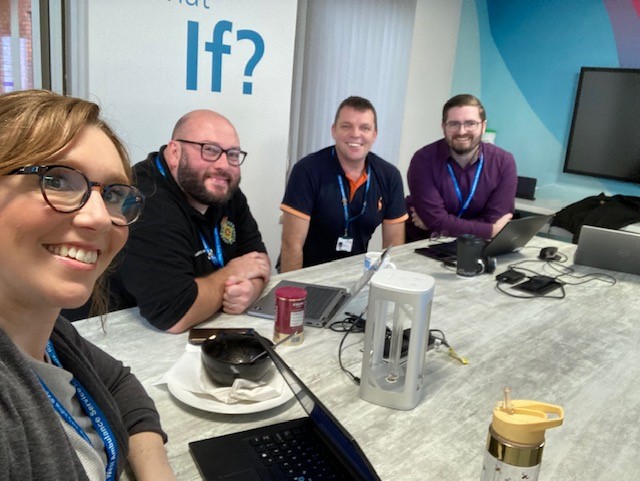
Me, my deputy CIO, CTO and CCIO doing the national Digital Maturity Assessment
Information governance and cyber security has been my focus this month really. We had our IG sub committee and have focussed on our EPR security and the long term resilience and support for PRISM (Pan Regional Information Sharing Mechanism). I am so pleased to have our CCIO now leading this space – he is one of those people that can create clarity in complexity, he listens carefully and finds a way forward one step at a time.
Everything is Possible
We had a major success agreeing some investment to unlock some of the blockages in our Business Intelligence team in warehousing and development and we’ve recruited to our new senior specialist roles in the IT team providing opportunities for the current team to progress and increasing our resilience. The BI one in particular my deputy has been working on for a long time and it felt like an impossible ask but you just have to get the timing and the pitch right and keep going and these things are always possible!
And for my next trick…
Unexpectedly this month my friend Robbie, a photographer, got in touch to say that he’d noticed that I looked like I was trying to do a magic trick in my LinkedIn photo. He was thinking about trying out work photos as part of his photography business so he came over and we had a go.
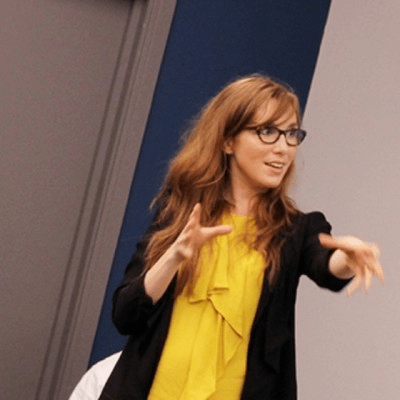
Half of them had a child either joking around or crying in the background. I feel like this one says something about work life with children –
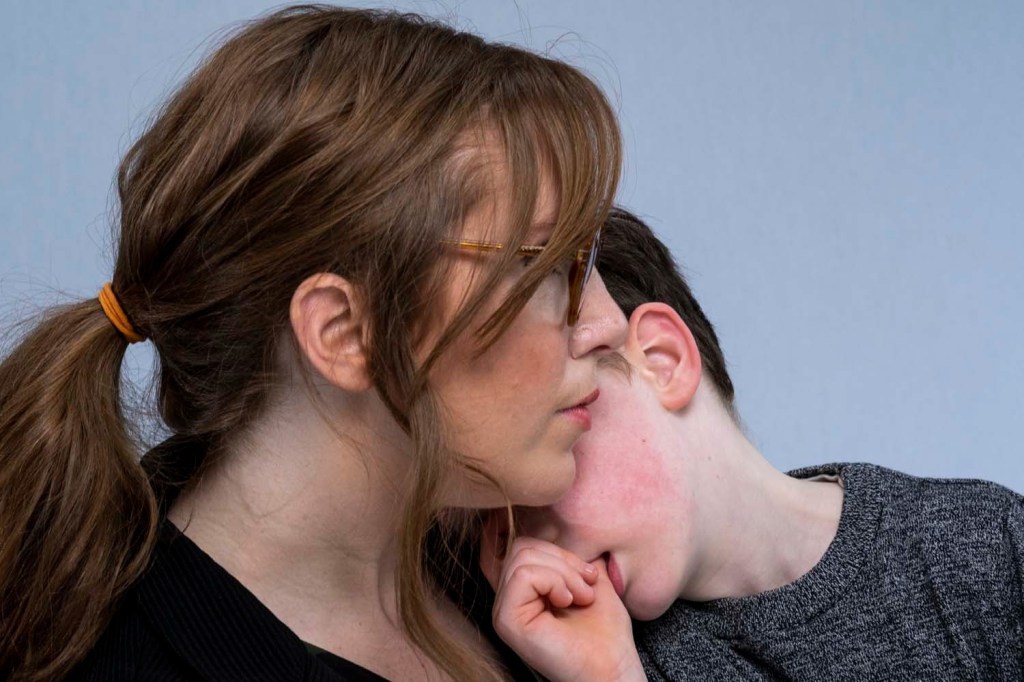
– it reminds me of a conversation I had to support a brilliant female leader we have in NWAS who is due to have a baby soon. It’s so daunting when you’ve been so focussed and driven by your career to know that you’re life is going to completely change but in such an unknown way, to take so much time away from work, to handover everything you’ve done and just let go. People can often presume that all parents are excited about having time off work on maternity / paternity but actually for many it’s daunting and scary to give up what you love and feel like you’re losing so much of your identity. I reflected in the conversation on how having my two children has definitely slowed me down in my career in some ways, just physically I lost a couple of years but actually in the end the kids are my strength and resilience and they have liberated me in many ways giving me other things to focus on and a clarity about what’s important in life that ultimately has made me better at my job.
Anyway – we got this one in the end – it’s definitely the best work photo I’ve ever managed – thank you Venn Family Photography – Home
Until next time…

-
‘To help people when they need us most’
Coming back to work after Christmas felt hard. In the space of just one week my body seemed to have become entirely reliant on a constant intake of chocolate, cheese, stuffing and Bacardi which it couldn’t cope without!
Make some good trouble
One of the things that chirped me up was going to watch Matilda the musical with the boys and our friends. I had forgotten how much the story is about challenging the status quo and speaking out when things aren’t right.
Here are a few lyrics from my favourite song in the film – ‘Naughty’
We’re told we have to do what we’re told, but surely Sometimes you have to be a little bit naughty
Just because you find that life’s not fair it
Doesn’t mean that you just have to grin and bear it
If you always take it on the chin and wear it
Nothing will change.
If you sit around and let them get on top, you
Might as well be saying
You think that it’s ok
And that’s not right!
And if it’s not right!
You have to put it right!I loved the message around being a bit naughty and not standing for things that aren’t right – I often talk about making ‘good trouble’ when it’s for the right cause.
It got me thinking as well about the brilliant work our Patient Safety Specialist at NWAS is doing to drive a culture of openness, speaking out about harm, shining a light on things we’ve got right and improving patient safety. I’ve been privileged to provide a little support to Carly as she’s been reviewing learning from incidents. It’s a difficult role to take in an organisation but it’s so important.
Speaking up when things aren’t right can be hard and as Carly pointed out to me listening can also be hard too. I’ve had a few tough experiences over the years in my career when I’ve spoken up and challenged something I believed wasn’t right but it’s always been worth it and we have to make it as easy as possible and support people to speak out and to listen.
Innocent insight
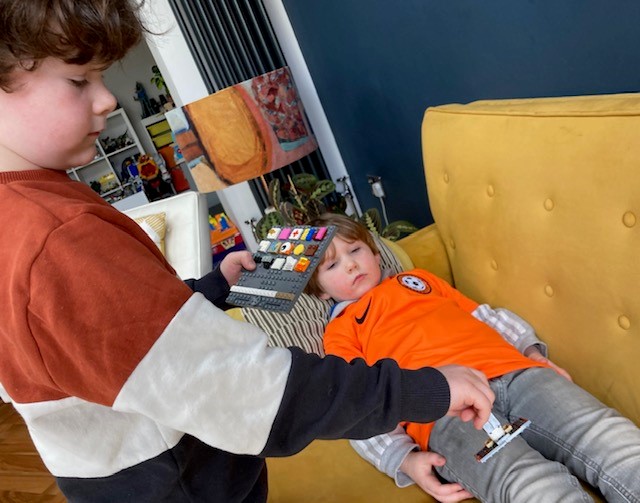
It’s funny how insightful young children are. Two examples from this month – firstly Herbert cracked half of the healthcare digital strategy in 5 minutes. Whilst playing ‘doctors’ he built a Lego iPad and a series of point of care testing / scanning devices which he proceeded to use on Fred, managing to treat him at home on his own sofa. I loved that based on his relatively limited knowledge of what technology is currently available he presumed that that’s how we’d do things.
Fred’s moment of wisdom was his realisation one day that I appear to be spread a little thin. Don’t worry though he’s figured out the solution … he suggested that I create two extra versions of myself so that, in his words, ‘one could stay at home and do the washing, one could go to work and one could stay with him all the time.’ I said I’d like a fourth one to go running, make tea etc but Herbert suggested we actually needed the fourth one for him!
It’s all about collaboration
It’s been a busy month with some great meetings progressing our collaborative work – here’s a few highlights:
- Digital referrals from scene: this is my number one focus at the minute. It’s such an obvious thing to do to release frontline capacity to respond to patients. There are a few complications trying to achieve it but my deputy CCIO and I are not giving up on it – as Matilda says ‘if you always take it on the chin and wear it nothing will change ‘
- I met with ICB digital leads and NHS E North at the North West Digital leaders group which is one of my favourite collaborative meetings
- I chaired the National Ambulance Digital Innovation forum and also had the National AACE Digital Leaders group – we agreed to escalate pressures on BI teams which was welcome
- I had a great session with the various teams leading change in NWAS (transformation, PMO, improvement and innovation). We progressed our work on capability building and came up with our joint shared purpose (more to come on that in the future)
- I had the Board of Directors meeting where much of the discussion was around how we collaborate and learn with system partners and there was welcome recognition of the work we’ve done to improve cyber security and support a collaborative improvement focus on handover and mental health care with system partners
Just reach out
Quick shout out to my new mentee who reached out after I spoke about reaching out to people on my blog. We had a great first session and I’ll definitely learn lots from her.
Away from the desk
I committed to the Quality Directorate teams that I’d get around all our sites in January and February to hear about our work and provide an opportunity for staff to flag anything they wanted to talk about. I’ve had some fab days out always ending up with new insights from our brilliant people, resolving concerns or having great conversations about our strategic direction – all without being behind my laptop or on emails all day long!
‘To help people when they need us most‘
Finally, I wanted to share a family health experience. My mum was found to have a blood clot in her lung just after Christmas. I’m so grateful to 111 who she called in the very early hours of Boxing Day morning after coughing up blood. My mum thought it was just due to a bad cough but 111 sent her to the local hospital. Our purpose at NWAS is ‘to help people when they need us most’ and I’ve had so many experiences personally when 111 have been the only people I can access in my times of need and worry with the kids. Our 111 team are amazing, it’s so relentless trying to keep up with growing demand but they stick at it and are always looking for ways to improve and learn.
My Grandma died of a Pulmonary Embolism younger than my mum and it just makes you realise how vulnerable we all are in some ways and how much we need and are lucky to have our NHS. My mum is recovering well and I just want to say a massive thank you to Lancashire Teaching Hospitals NHS Foundation Trust and our very own brilliant 111 service for being there when she needed them most!
Until next time…
-
It’s the most wonderful time of the year…
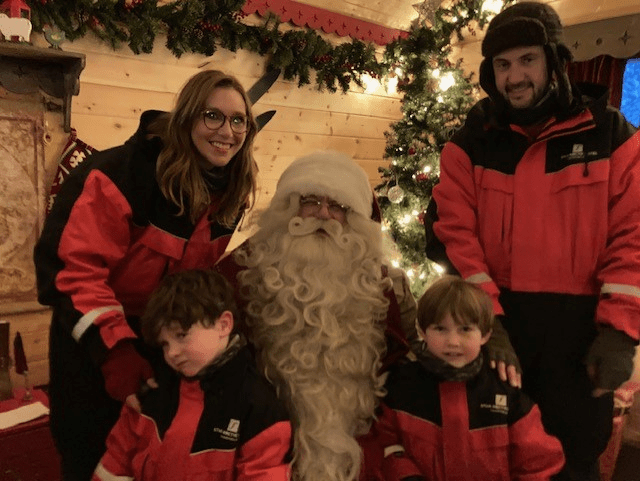
It’s my third monthly round up and I’m getting in the swing of it, although this is a short one. I wanted to start by saying thank you so much to everyone that has read the blog so far and given me such a warm response. I was literally shaking when I published my first one. I am very comfortable on a stage – be it speaking at a conference or singing on the karaoke! – but publishing my thoughts felt more permanent and scary.
So for December – well it would appear my two children are also comfortable on a stage and we had an inordinate number of carol services and shows to attend in the run up to Christmas. I managed to make them all which was a Christmas miracle in it’s own right – although there was one moment where I begged the school to keep the kids even though a pipe had burst and we were being asked gleefully to take the children home early after the show. A mum next to me recognised my panic stricken look as I had work I desperately needed to finish and needed the kids to stay in school!
I absolutely LOVE Christmas, for me it really is the most wonderful time of the year. But it is difficult to sustain the Christmas spirit at times working in the NHS and it was a month of extreme opposite emotions for me.
It’s a strange contrast between getting all ready for Christmas at home and getting ready for the hardest time of the year at work. On the one hand I had the most magical time with the kids – we sang Christmas songs at the piano, went ice skating, we even went to Lapland, found the real Santa and spotted the Aurora which was unbelievable! But in the same month we had my husband’s cousin’s funeral following suicide which was incredibly difficult for the family and put the work we’re doing on mental health in to sharp focus for me, we had industrial action to manage and the usual winter pressures which seemed even worse this year.

Things don’t ever slow down at Christmas in the NHS and especially in the Ambulance Service. In the digital team we ramped up our usual efforts to ensure the systems remained resilient. As a category one responder under the National Civil Contingencies Act we have to ensure we have resilient systems. If you want to find out about resilience and business continuity speak to an Ambulance Service digital team, they know their stuff! Along with the usual resilient set up we made sure the systems could handle significantly increased activity and increased our telephone lines and on the BI side we turned around national data requests at break point speed. I had a good full week off but was on call Boxing Day and New Year’s Eve and the systems all held up well.
Earlier in the month I did an observation shift with Emily and John – annoyingly I didn’t get a photo of them but they were great. They described it as a ‘good shift’ largely as we didn’t spend all day waiting in or outside A+E to handover our patients. As ever I was amazed by the patience, empathy and outstanding care provided.
Our ‘good shift’ ranged from a patient who had already passed away and his devastated sons, a lovely older couple – one of whom was struggling with multiple conditions and cancer, a lady who had pushed herself too far after a heart operation and a lady with learning disabilities and autism who had been discharged the previous day but needed to go back in to hospital. I’d never been in anywhere like the home she lived in where patients had such complex needs. I watched her carers looking after her and others in the small care home and imagined what a tough job it was to do day in and day out – over the weekends, the evenings and the holidays – how overlooked these jobs often are but how important they are. I hoped that my family or myself would be cared for with so much kindness in our times of need.
So to all the carers out there, everyone who worked (or not) over Christmas, those who’ve had a hard month and everyone else – I hope you remembered how amazing your are and found some joy at Christmas – here’s to 2023! Happy new year!
-
Just keep swimming….
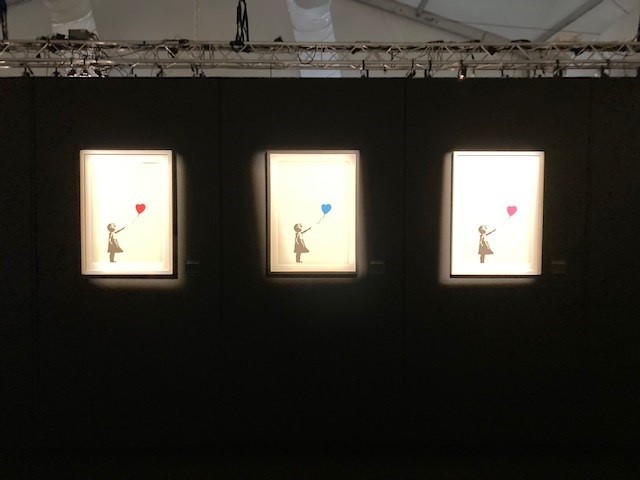
Well… I said I’d do one every month so here we go for another round up.
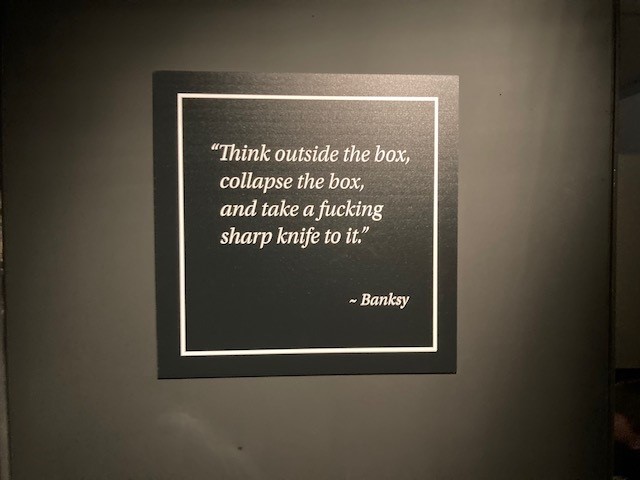
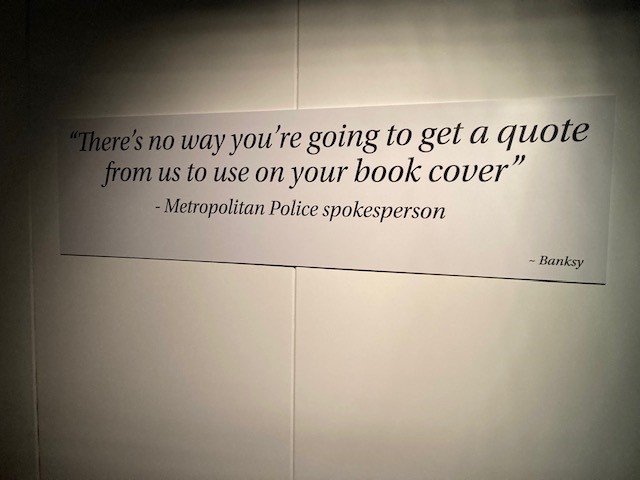
So, what’s happened since last time? Well…we had a family episode of COVID which translated into D+V for the kids – great! We used the time stuck at home to make a Halloween film and to continue the home-made horror theme my husband accidently set the neighbours garden on fire with a failed fireworks display! Once we could get out we went to the Banksy exhibition which gave my rebellious streak a good boost. I got a picture of a few good quotes that made me think about improvement, please excuse the language…
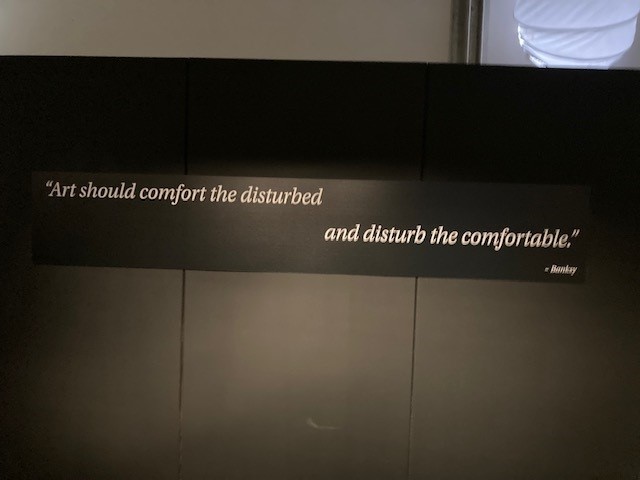
In the usual humdrum of never-ending house tasks, the hob broke so we were living off a camping stove, the drain was blocked outside, we needed a new boiler and once that was all sorted the sink started leaking!!!! How do we all manage to work so hard, raise children, keep healthy and manage all of the house stuff too? ‘Just keep going, one thing at a time’ – I often tell myself or in the words of a famous fish ‘just keep swimming’.
Take some time out – story of self
I’m a huge advocate of taking time out when the pressure is piling on – no matter how impossible it seems. My deputy and I finally managed this month to get a whole day of thinking time together. We figured out how to manage our workloads better between us and the teams and we also did a bit of ‘story of self’. Marshal Ganz has developed the idea (see link at the end). He says:
“A “Story of Self” tells why we have been called to action. We each have our own story to tell, and we have all had different life experiences that have shaped our core values and beliefs. In a Story of Self, we express the values that move us to work for change.“
There are three elements to the overarching idea about public narrative – story of self, story of us and story of now. Over the years, using this approach has really helped me manage imposter syndrome by building a narrative about myself I can confidently use. Practically I think of it like this, have a go! You start by thinking ‘what is my story, why am I here, what do I bring? Then, what is our story, what do we have in common? And then, what are we going to do together? I use it all the time.
Don’t be afraid to reach out
A mentor of mine gave me the advice a long time ago to not be afraid to reach out to leaders in your field and make yourself known. It’s always stayed with me and this month I met with a fantastic national leader for some advice. We had a brilliant call and it just goes to show that you should never be afraid to reach out. Have a think – who is leading the way in your field? Would it be interesting to connect with them, could they help you? If so – drop them a line – the worse that can happen is they don’t read your email or see your linked in message but you might just end up with a great connection!
How to become a CIO…
This month I attended the Informatics Skills Development Network (ISDN) steering group. One of the goals of the network is to support future CIOs. We talked about how difficult it is for people to take time out to attend development courses and considered how different media could help, including podcasts and blogs. So I thought I’d share some thoughts in here about how to become a CIO. The main thing I think is important is that the workload is super varied and all the CIOs I’ve met come from a different background. Some are specialised in IT, some come from an informatics background, some are focussed on cyber security or information governance, there are people from the private sector or who have come up through the NHS and some like me have more of a background in improvement and transformation. If you believe that technology and information are going to help us solve some of our intractable problems and improve care then go and check out a CIO or deputy CIO role. Don’t worry if you don’t meet everything in the job spec as they are very varied roles, give the recruiter a ring and see what they’re looking for – it might be you!
Mission interop
I re launched our ‘mission interop’ programme this month with our great innovation and interop lead. This is our programme to deliver seamless sharing of information to improve patient care – internally (one NWAS) and across the system (one North West). One thing we’re really pushing is enabling digital referrals from on scene which could improve care and bring huge time efficiencies with a direct impact to improving care for those waiting. Our deputy CCIO is working relentlessly to push this important work. I also attended the PRISM board which is a coming together of all 4 ICBs for the North West and NHS E/I north to deliver a single access point to shared care records for the North West. Our new CCIO started this month and I’m very excited about how he’ll pick up and lead this programme.
Meetings, Papers and Presentations
This month I had exec, diversity and inclusion committee, project boards from EPR to smaller projects and we hosted the national Ambulance Improvement and UEC teams in our innovation lab. The IT team did some great work to improve our failover capabilities and increase resilience. The BI team are getting lots of urgent data requests, I reviewed our Integrated Performance Report which is a mammoth task (well done team) and got the final version of our Unified Tech Fund Investment Agreement in with a lot of help from our fab new digital programme manager. We got a bid in to research point of care testing for cardiac with our GM partners which is exciting. I did some commander training to support aligning our IT on call processes to the command processes – the most striking conversation was around the balance of our statutory requirements – health and safety, equality and diversity and duty of care to both individuals and the population. I enjoyed doing a few short presentations this month too – virtually for the Blue Lights Partnership and the Australian Improvement Academy (7am start!) and one for the Healthcare Excellence forum. Each was slightly different but had a theme around how we’ve enabled rapid digital change and used improvement methods to enable digital innovation.
System Improvement and Collaboration
I enjoyed providing a little oversight and support to our improvement team who are preparing for 3 ICB handover collaborative events in early December – they are doing an amazing job getting the days ready and it should be a great opportunity to get provider and system leaders together to agree tests of change focussed on this important area.
Quality Management Systems
I loved learning more about quality management systems from our super smart Chief of Regulatory Compliance and Improvement at our quality strategy session. It got me thinking about how essential quality control is to sustain improvement and enable us to innovate and how sometimes we’ve tripped over trying to innovate on areas which aren’t in control.
It’s the taking part that counts
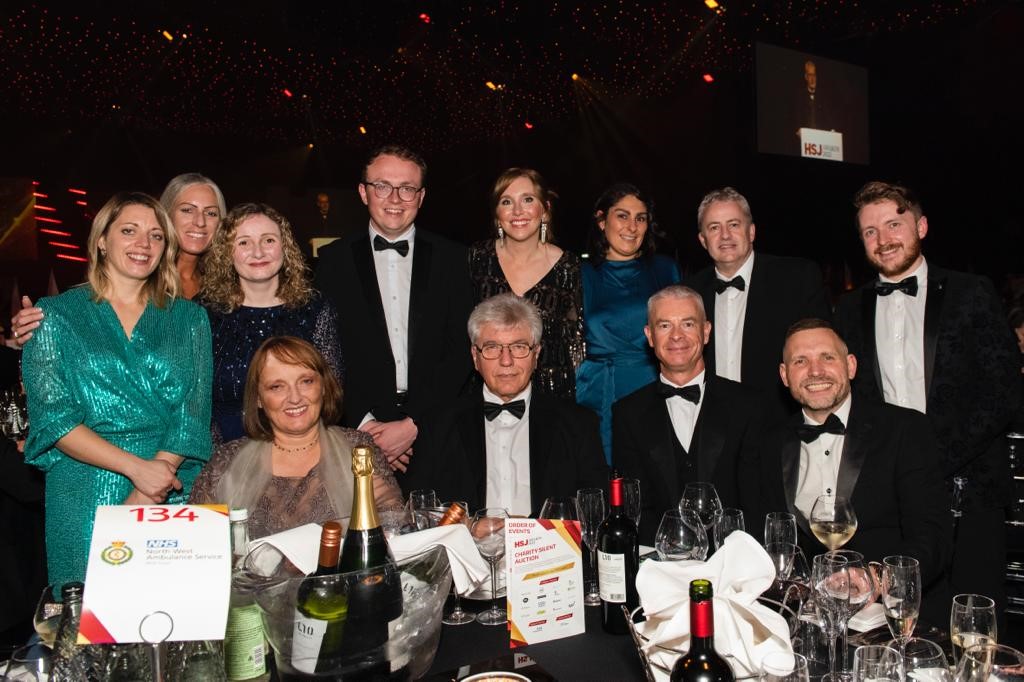
I went to the HSJ awards for the first time ever in my 20 years in the NHS. We were up for two awards – one for the teams work on handover with system partners and one for our work to create a SMART digitised ambulance station. We didn’t win either but it was great to celebrate our work anyway – we know we’re winners!
Movember
November was men’s mental health month. On our Quality Directorate Team brief our CTO spoke about his own experience. He was brilliant and such an inspiration. He talked about showing vulnerability as a strength not a weakness which I totally agree with and I just want to quote him directly as I was so taken by what he said at the end:
“We’re all here, whatever role we’re in, because we want to care for people. The NHS asks so much of us and we work so hard, but we all need to care for ourselves too”.
If you fancy watching our home made horror, donating to Unicef (the kids did a challenge this month), reading up on public narrative or finding out more about Quality Management Systems here are the links. See you next time!
Abigail Harrison is fundraising for Unicef UK (justgiving.com)
Herbert and Fred’s Goosebumps 3 – YouTube
Public-Narrative-Worksheet-Fall-2013-.pdf (harvard.edu)
Quality Management Webinar Series – https://youtu.be/eifXOL000cM
-
“Be resilient Mummy”
My mentor and friend has persuaded me to start spending more time reflecting and suggested a monthly blog with some reflections from each month would be a good idea. I get pretty bad social media anxiety to be honest – I worry that I’ll say the wrong thing or leave someone or something out and cause offence so I’m not going to name individuals but will tag you in when I share.
So here are some reflections and key moments from the last month in between the papers, the urgent requests and the back-to-back teams calls! Here we go…
The major thing of note this month is that I’m back to working on a Monday after my youngest started primary school. It’s like the flood gates have opened and my Mondays are packed with work. It’s easy to think that you can’t do certain jobs on flexible hours, but you can, and I did. I’ve been supported to progress my career as a CIO and Deputy Director and do a job I love whilst having the time I wanted with Herbert and Fred (6 and 4) and I’m feeling so grateful to the North West Ambulance Service (my employer), my line manager and all of my teams for supporting me to work flexibly. It’s scary sometimes to ask for flexible working hours especially when you’re trying to progress and start new roles, but you need to remember that wanting a little more time with your family does not mean you’re not the right person for the role. As a manager, in my experience, the more you give to your staff the more you get back from them.
Anyway – Fred has been learning the school values, one of which is ‘resilience’. My husband has been away for a couple of weeks with work, the kids have been poorly, it’s been tough! Of course everything breaks as soon as Harry (husband) walks out the door and the bath plug broke. Every night it’s been driving me mad, I just keep pushing it and pushing it to try and let the water out and Fred says ‘”be resilient Mummy”. To him being resilient means to just keep going and don’t give up and he’s right eventually the plug opens. We talked about it at an away day for the Quality Sirectorate senior managers this month – has Fred got it right? Is it that no matter how hard it gets, how relentless the pressures are in the NHS – going in to winter after a summer that already felt like winter – that we just keep going and don’t give up? Perhaps – but we also talked about taking time to look after our wellbeing, having mechanisms in place to understand and manage our stress levels, supporting one another and working smarter.
Digital Champions
We had our first away day with some of digital champions this month. The digital champions are a group of NWAS staff who have volunteered above and beyond their roles to lead on new digital change and support their colleagues as we roll out new solutions. They are amazing and are such a vital part of our digital transformation. Right across the organisation they are coming up with new ideas and helping those who are less confident with technology. I opened the day by sharing some thoughts about innovation and what we might learn from the pirates. Turns out the pirates were social innovators, they believed in equality by gender and race and even had health support! They did break the rules as many would think but they also re wrote and made new rules which they followed together. There is a great book called ‘Be More Pirate’ by Sam Conniff if you’re interested.
Let’s Talk Cyber
Lots of talk about cyber security this month – the IT and IG teams are just doing a fab job on this and there is so much work behind the scenes that keeps us safe but it’s still a real focus for us. We’ve had some great supportive conversations at Exec about continuing to grow our IT resilience – more details to come for any of team reading this.
Make the Data Sing
We had a great BI session with our senior ops managers this month where we took some time to explore the developments we’ve made in Power BI. The BI team reps were amazing, we had a little quiz to get started and then posed questions that people then went searching to find the answers for using the self-access interactive dashboards available to all. This led to a series of great discussions around the data, further questions the data posed, and the new insight that had been gathered.
Quality, Innovation and Improvement Directorate Teams
As part of my new interim role as Deputy for the Directorate I’ve been fortunate to spend more time with different teams. This month I’ve been working with the Mental health team who are doing a brilliant job working with partners on new joint response models to provide a better response to our mental health patients. I also spent some time getting to know the high intensity users team who were a delight. I was really busy that week but in one visit to Whitefield (a station I hadn’t been to before) I got to learn about that team, met with the Community First responder lead by chance who showed me some fab digital work they’ve been doing and bumped in to the partnership and patient experience leads – all conversations I would never have had sat in my office – which I do do a lot of – but it’s so important to force yourself out and about. We also had a senior manager away day focussed on building our improvement science skills and using them day to day. The improvement team led the way sharing their experience and knowledge and it was lovely to see them in their element!
Women’s Network Launch
I was really fortunate to be asked to facilitate the launch of the NWAS women’s network this month. We had a brilliant day and heard so many amazing stories from inspirational NWAS women. We also had some upfront difficult conversations but came away with an energy to support one another and drive change. The committee that are driving the network and the day are just brilliant and did a fab job.
Final Thought
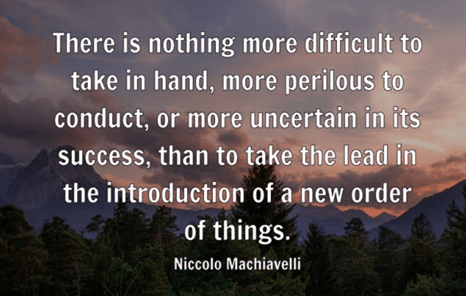
This quote was shared with me this month and it’s so reflective of the experience of so many people leading change. Machiavelli wrote this in the 16th century and it’s still so true. He goes on to talk about the reaction of others to the innovator – I’ve always said it can be a lonely place – but just having this quote shared I know inspired people in the team and myself to keep going and not take it personally – we will be resilient, we will look after one another, we’ll use improvement science to work smarter, we will learn, we will fail but we will also succeed!
-
Subscribe
Subscribed
Already have a WordPress.com account? Log in now.
 Abigail blogs